


1. Introduction
With the rapid development of the automotive industry, intelligence and connectivity have become irreversible trends. Against this backdrop, automotive-grade chips, as the cornerstone of automotive intelligence transformation, are experiencing explosive growth in demand. As the core components of vehicle control, communication, sensing, and entertainment systems, automotive-grade chips not only affect vehicle performance but also directly impact driving safety, user experience, and the construction of the future automotive ecosystem.
To address the increasingly complex demands of in-vehicle systems, AWINIC has introduced the high-performance, high-reliability, low-power 10W/22W analog audio chip AW8361xTSR-Q1, which complies with the automotive-grade AEC-Q100 certification. This chip has become a focal point for major automakers and component suppliers, driving the entire automotive industry toward greater intelligence, sustainability, and safety.
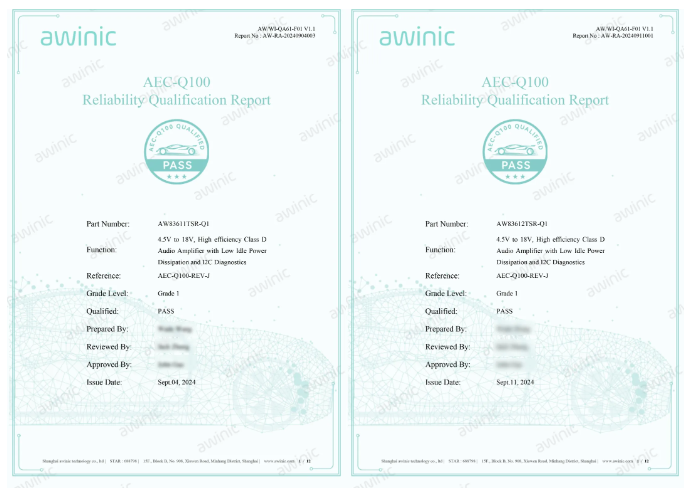
The AW8361xTSR-Q1 is a mono Class D analog input audio amplifier, ideal for applications such as in-vehicle T-BOX, telematics, and instrument clusters.
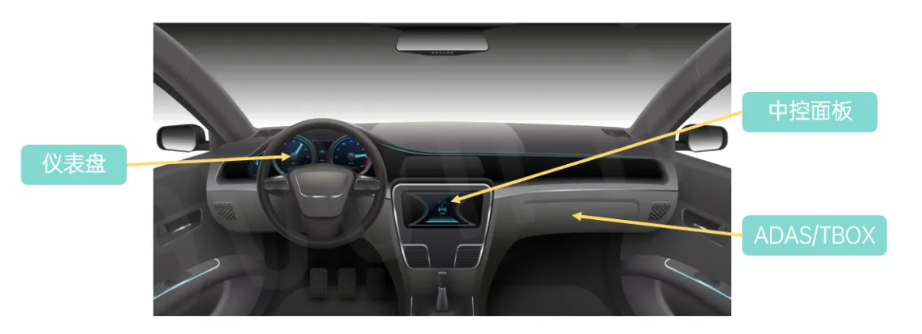
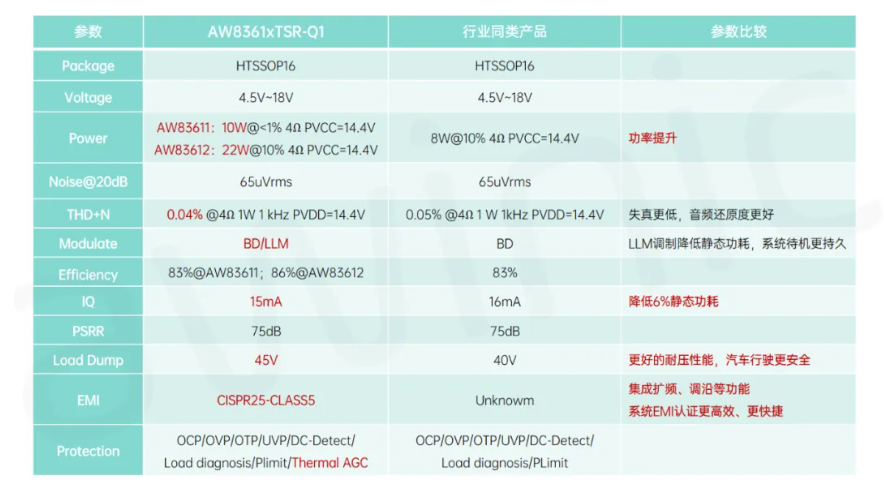
Table 1 Comparison of AW8361xTSR-Q1 with Similar Industry Products
3. Product Highlight 1: LLM Mode for Low Quiescent Power Consumption
In April 2018, the European Parliament passed legislation requiring all new vehicles to be equipped with eCall. Similar policies are being promoted by the United Nations and Russia's ERA-GLONASS. The European eCall standard mandates that the system must maintain voice communication for about 10 minutes and then keep the network active for at least 60 minutes to allow emergency personnel to call back the driver. The AW8361xTSR-Q1, equipped with LLM mode for low power consumption, ensures critical time savings during emergency rescue operations.

Figure 3 In-Vehicle eCall Illustration
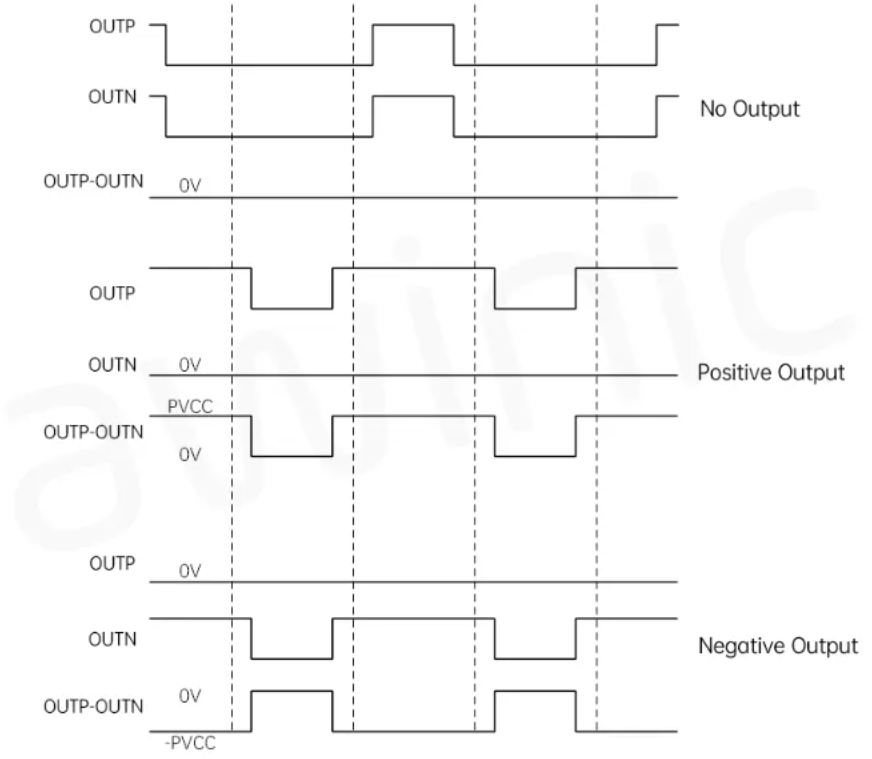
Figure 4 LLM Mode Operating Principle
The LLM mode reduces the quiescent current from 18mA in BD mode to 15mA, saving approximately 17% in quiescent power consumption.
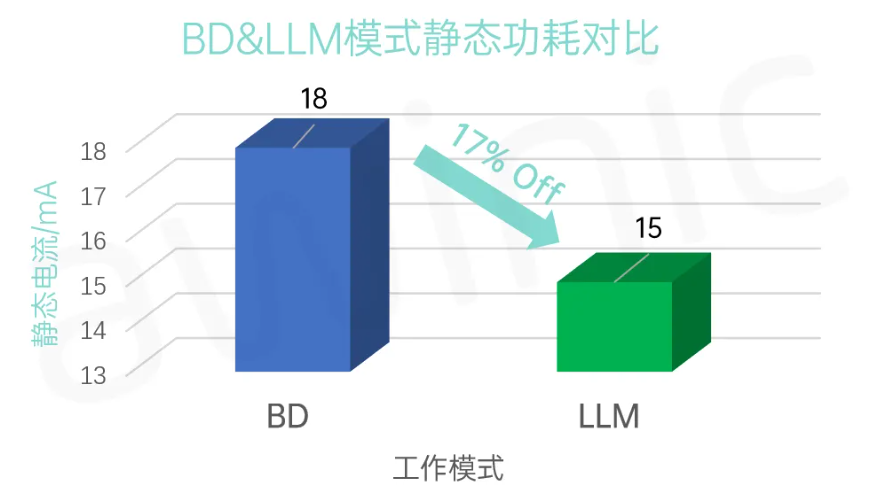
Figure 5 Comparison of Quiescent Power Consumption in BD & LLM Modes
Product Highlight 2: Superior Automotive-Grade EMI Performance
CISPR25 "Limits and Methods of Measurement of Radio Disturbance Characteristics for the Protection of Receivers Used on Board Vehicles, Boats, and on Devices" is a standard designed to protect receivers from radio disturbances. Nearly all automakers require compliance with this standard. The complex electromagnetic environment and high standards make EMI certification both time-consuming and challenging. The AW8361xTSR-Q1 employs edge adjustment and spread spectrum technologies to achieve superior EMI performance.
The impact of the AW8361xTSR-Q1's spread spectrum function on PWM fundamental and harmonic EMI is shown in Figure 6.
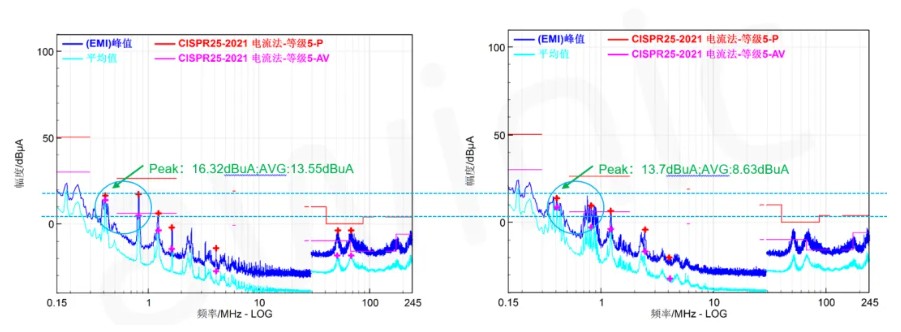
Figure 6(a) EMI Test Data Without Spread Spectrum; Figure 6(b) EMI Test Data With Spread Spectrum
The impact of the AW8361xTSR-Q1's edge adjustment on EMI is shown in Figure 7.
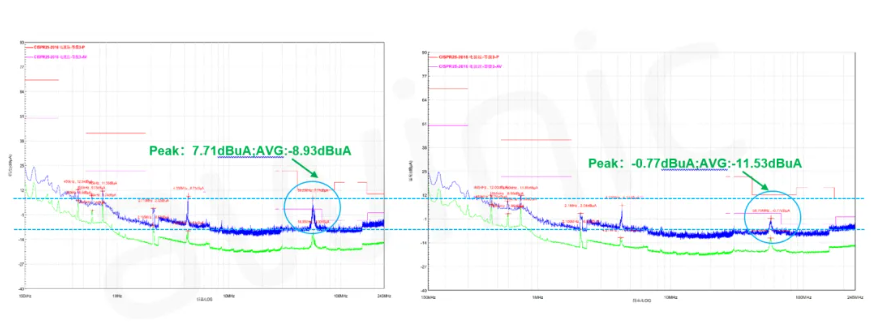
Figure 7(a) EMI Test Data Without Edge Adjustment; Figure 7(b) EMI Test Data With Edge Adjustment
Product Highlight 3: Temperature AGC Function
When the device exceeds the recommended temperature/power limits or when the PCB thermal design is weak, there is a risk of thermal shutdown due to overheating. The Temperature AGC function is designed to protect the AW8361xTSR-Q1 from unexpected shutdowns caused by excessive chip temperature. When the temperature reaches the over-temperature warning level (140°C), the internal AGC (Automatic Gain Control) gradually reduces the gain. Once the temperature drops below the warning level, the device's gain gradually returns to its previous setting.
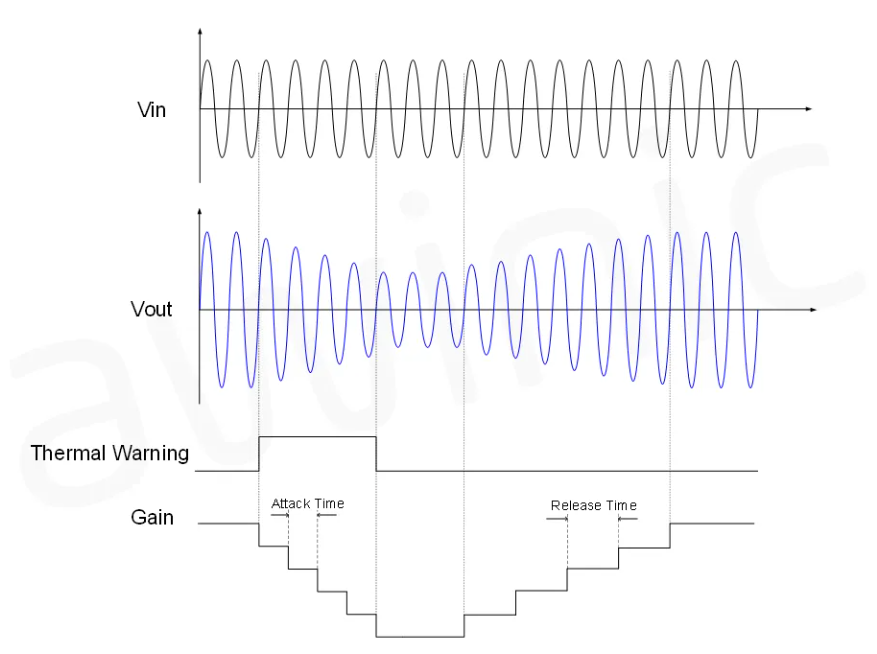
Figure 8 Temperature AGC Operating Principle
The measured results of the AW8361xTSR-Q1 chip temperature with and without the Temperature AGC function are shown in Figure 10. When the Temperature AGC is enabled, the temperature is effectively controlled, preventing shutdown due to overheating. Without the Temperature AGC, the device may shut down due to high temperatures, posing risks such as dropped calls or noise during emergency rescue communications.
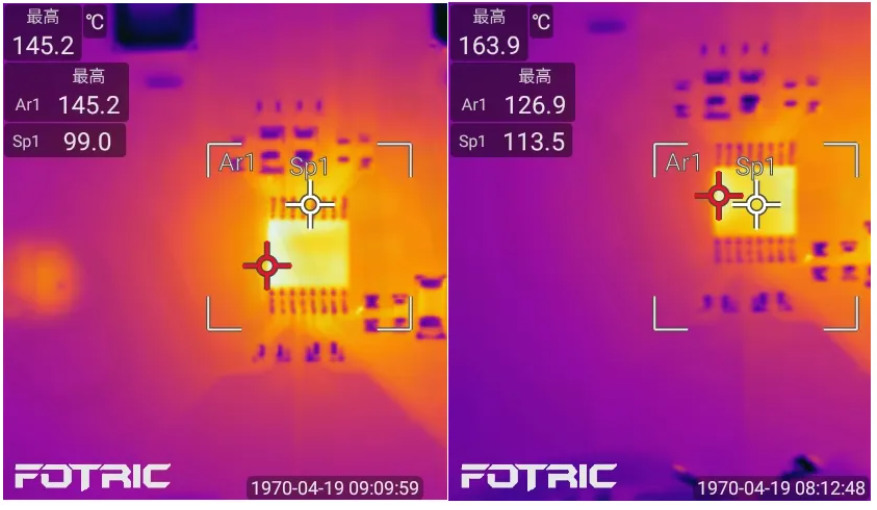
Figure 9(a) With Temperature AGC Function; Figure 9(b) Without Temperature AGC Function
4. Product Roadmap
AWINIC plans to launch products with a 2.1MHz PWM modulation frequency, featuring low peripheral costs and small PCB footprint. The specifications and differences are as follows:
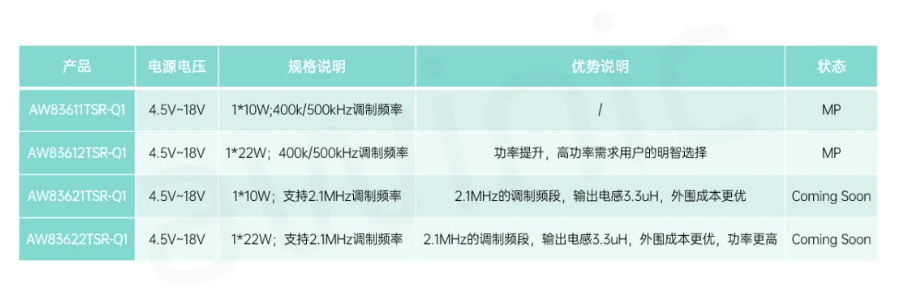
Table 2 AW836xxTSR-Q1 Series Product Roadmap
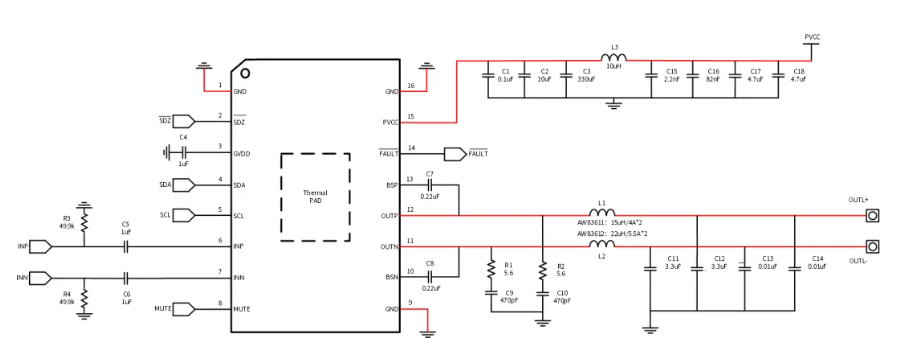
Figure 1 AW8361xTSR-Q1 Block Diagram
2. Main Features
The AW8361xTSR-Q1 is a mono Class D analog input audio amplifier, ideal for applications such as in-vehicle T-BOX, telematics, and instrument clusters.
Figure 2 Application Scenarios
The AW8361xTSR-Q1 supports an operating voltage range of 4.5V to 18V and can deliver up to 10W@AW83611TSR-Q1 and 22W@AW83612TSR-Q1 with a 4Ω load.
The AW8361xTSR-Q1 supports both the traditional Legacy mode (operates immediately upon power-up without requiring I²C control registers) and the I²C configuration mode.
In addition to integrating standard protection features such as OT (Over-Temperature Protection), OVP (Over-Voltage Protection), UVP (Under-Voltage Protection), DC diagnostics, and OC (Over-Current Protection), the AW8361xTSR-Q1 also includes load dump protection and load diagnostic functions, with the ability to report corresponding statuses via I²C.
The AW8361xTSR-Q1 demonstrates competitive performance compared to mainstream industry products.
Table 1 Comparison of AW8361xTSR-Q1 with Similar Industry Products
3. Product Highlight 1: LLM Mode for Low Quiescent Power Consumption
In April 2018, the European Parliament passed legislation requiring all new vehicles to be equipped with eCall. Similar policies are being promoted by the United Nations and Russia's ERA-GLONASS. The European eCall standard mandates that the system must maintain voice communication for about 10 minutes and then keep the network active for at least 60 minutes to allow emergency personnel to call back the driver. The AW8361xTSR-Q1, equipped with LLM mode for low power consumption, ensures critical time savings during emergency rescue operations.
Figure 3 In-Vehicle eCall Illustration
Figure 4 LLM Mode Operating Principle
The LLM mode reduces the quiescent current from 18mA in BD mode to 15mA, saving approximately 17% in quiescent power consumption.
Figure 5 Comparison of Quiescent Power Consumption in BD & LLM Modes
Product Highlight 2: Superior Automotive-Grade EMI Performance
CISPR25 "Limits and Methods of Measurement of Radio Disturbance Characteristics for the Protection of Receivers Used on Board Vehicles, Boats, and on Devices" is a standard designed to protect receivers from radio disturbances. Nearly all automakers require compliance with this standard. The complex electromagnetic environment and high standards make EMI certification both time-consuming and challenging. The AW8361xTSR-Q1 employs edge adjustment and spread spectrum technologies to achieve superior EMI performance.
The impact of the AW8361xTSR-Q1's spread spectrum function on PWM fundamental and harmonic EMI is shown in Figure 6.
Figure 6(a) EMI Test Data Without Spread Spectrum; Figure 6(b) EMI Test Data With Spread Spectrum
The impact of the AW8361xTSR-Q1's edge adjustment on EMI is shown in Figure 7.
Figure 7(a) EMI Test Data Without Edge Adjustment; Figure 7(b) EMI Test Data With Edge Adjustment
Product Highlight 3: Temperature AGC Function
When the device exceeds the recommended temperature/power limits or when the PCB thermal design is weak, there is a risk of thermal shutdown due to overheating. The Temperature AGC function is designed to protect the AW8361xTSR-Q1 from unexpected shutdowns caused by excessive chip temperature. When the temperature reaches the over-temperature warning level (140°C), the internal AGC (Automatic Gain Control) gradually reduces the gain. Once the temperature drops below the warning level, the device's gain gradually returns to its previous setting.
Figure 8 Temperature AGC Operating Principle
The measured results of the AW8361xTSR-Q1 chip temperature with and without the Temperature AGC function are shown in Figure 10. When the Temperature AGC is enabled, the temperature is effectively controlled, preventing shutdown due to overheating. Without the Temperature AGC, the device may shut down due to high temperatures, posing risks such as dropped calls or noise during emergency rescue communications.
Figure 9(a) With Temperature AGC Function; Figure 9(b) Without Temperature AGC Function
4. Product Roadmap
AWINIC plans to launch products with a 2.1MHz PWM modulation frequency, featuring low peripheral costs and small PCB footprint. The specifications and differences are as follows:
Table 2 AW836xxTSR-Q1 Series Product Roadmap